
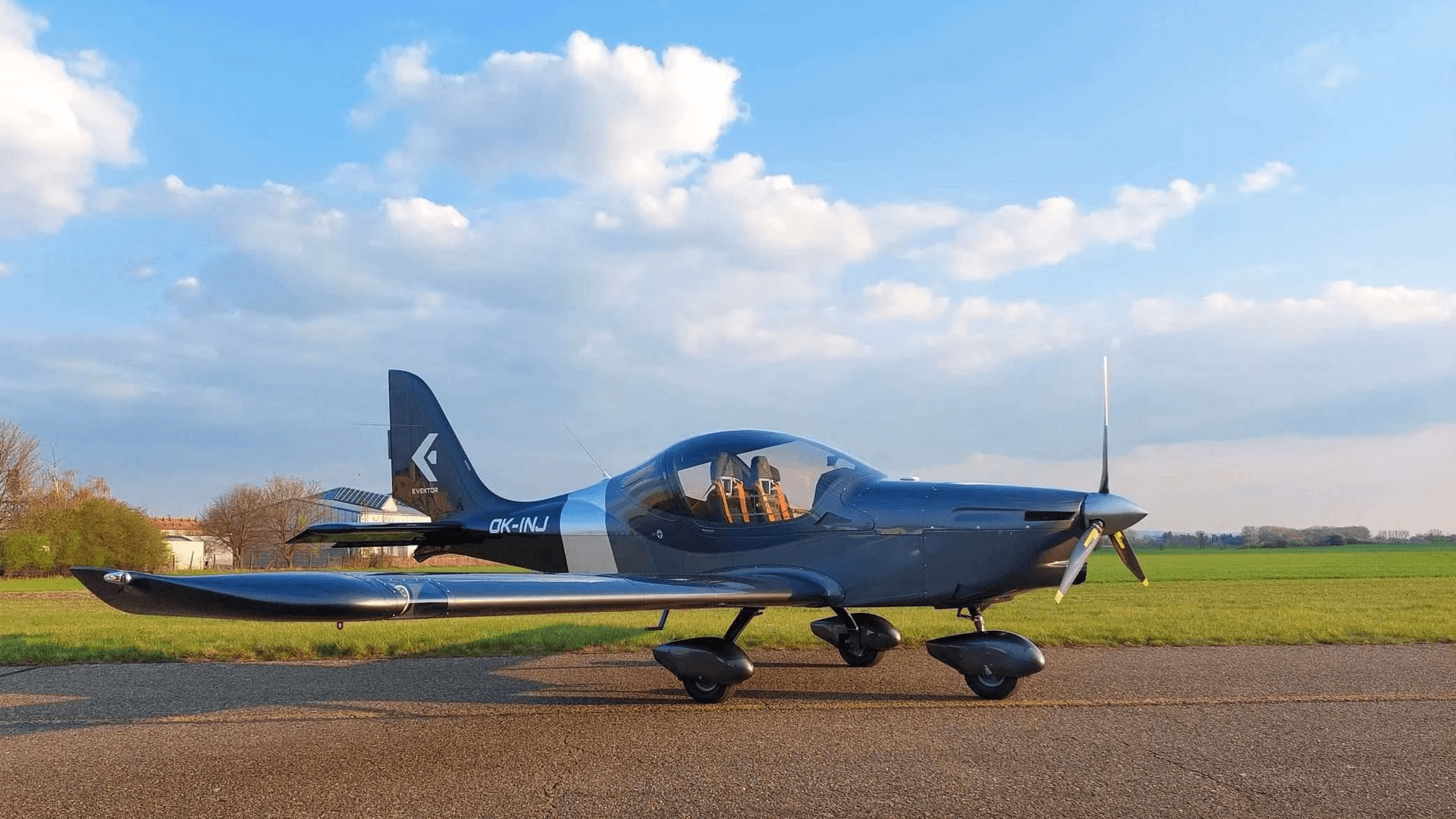
Evektor Harmony NG vs. Cessna 172 & Piper Archer
Replace $120+/hr legacy trainers with a factory-new, full-metal TAA fleet operating at $45–55/hr — featuring a wider cabin, Garmin Axis avionics, ~2-day Rotax engine swaps, and MOSAIC-upgraded 675 lb useful load.
Evektor Harmony NG vs. Cessna 172 & Piper Archer
Built specifically for high-utilization training environments, the Harmony NG delivers the cabin space, avionics sophistication, and structural durability operators expect from legacy Part 23 trainers — at less than half the hourly cost.
| Comparison Metric | Recommended Trainer Replacement Evektor Harmony NG | Legacy High-Wing Cessna 172 Skyhawk | Legacy Low-Wing Piper Archer (PA-28) |
|---|---|---|---|
Hourly Operating Cost Fuel + routine maintenance | $45–55 / hr | $120+ / hr | $120+ / hr |
Cabin Width Side-by-side shoulder comfort | +6 in vs. C172 · +4 in vs. Archer | Baseline (−6 in narrower) | Mid-width (−4 in narrower) |
Acquisition Cost Fleet capital outlay | Fraction of legacy new-build trainers | High new-build cost or aging 1970s–90s fleet | High new-build cost or aging fleet airframes |
Engine Overhaul / Swap Turnaround & shop downtime | Rotax 912 ULS / iS swap in ~2 days (2,000 hr TBO) | Months-long, high-cost Lycoming overhaul | Months-long, high-cost Lycoming overhaul |
Fuel Burn & Fuel Type Consumption & auto-fuel flexibility | ~4.5 gph · MOGAS or 100LL AVGAS | 8–10 gph · 100LL AVGAS | 8–10 gph · 100LL AVGAS |
Avionics & TAA Status IFR / Commercial training compliance | Garmin Axis / Dynon + Autopilot (TAA-Qualified) | Legacy gauges or costly avionics retrofit | Legacy gauges or costly avionics retrofit |
MOSAIC Readiness Useful load & future utility | MOSAIC Upgraded · 1,455 lb MTOW · 675 lb useful load | Fixed Part 23 legacy envelope | Fixed Part 23 legacy envelope |
Airframe & Controls Durability & stick-and-rudder feel | Full-metal airframe · Solid push/pull rods | Aluminum airframe · Cable/pulley controls | Aluminum airframe · Cable/pulley controls |
Daily Fleet Utilization Proven dispatch reliability | 5+ hrs/day · 50,000+ training hours worldwide | Higher AOG downtime on legacy airframes | Higher AOG downtime on legacy airframes |
Disclaimer: All comparison figures, hourly operating costs, fuel burn numbers, maintenance timelines, and specifications above are indicative values for informational and comparison purposes only and may vary based on aircraft configuration, engine and avionics packages, regional fuel and labor rates, utilization, and actual operating conditions.
Download the official Harmony NG Excel pricing worksheet or request a customized multi-aircraft quote from our US team.
Why Operating Economics Favor the Harmony NG
For Part 141 academies, accelerated career programs, and busy Part 61 flight schools, trainer profitability comes down to two numbers: direct cost per flight hour and aircraft dispatch availability. Across 50,000+ logged training hours worldwide and 100+ Harmony aircraft operating daily in the United States, the Harmony NG wins on both.
Less Than Half the Hourly Cost
With direct operating costs of $45–55/hr including fuel and routine maintenance, flight schools save roughly $65–75+ per tach hour compared to legacy Cessnas and Pipers — improving margins while keeping student hourly rates competitive.
30–40%+ Fuel Burn Reduction
The 100 hp Rotax 912 ULS and fuel-injected 912 iS burn ~4.5 gph compared to 8–10 gph on 100LL-hungry legacy trainers. STL Flight Training reports 30–40% fuel savings across daily line operations, with the flexibility to run unleaded MOGAS.
2-Day Engine Swaps, Not Months
Traditional Lycoming overhauls take revenue-producing trainers offline for months. Because Rotax 912 engines are affordable and stocked via Alion Aviation's two US spare parts warehouses, operators can swap an engine in ~2 days and return to 5+ hrs/day utilization.
675 lb Useful Load + Garmin Axis
Proactively upgraded for FAA MOSAIC rules (1,455 lb MTOW, 675 lb useful load) and built around a full-metal airframe with Garmin Axis glass avionics and autopilot, the Harmony NG transitions students seamlessly from Private Pilot to Instrument, Commercial, and CFI.
Estimate Your Annual Savings
Model the operating cost difference between $45–55/hr Harmony NG operation ($50/hr midpoint) and $120+/hr legacy Cessna 172 / Piper Archer trainers.
Disclaimer: These calculations are indicative estimates for illustrative purposes only ($45–55/hr Harmony NG operating range vs. $120+/hr legacy trainers) and do not constitute a guarantee or binding financial projection. Actual operating costs, fuel savings, insurance, maintenance reserves, and ROI may differ depending on local fuel prices, mission profiles, fleet utilization, and aircraft configuration.
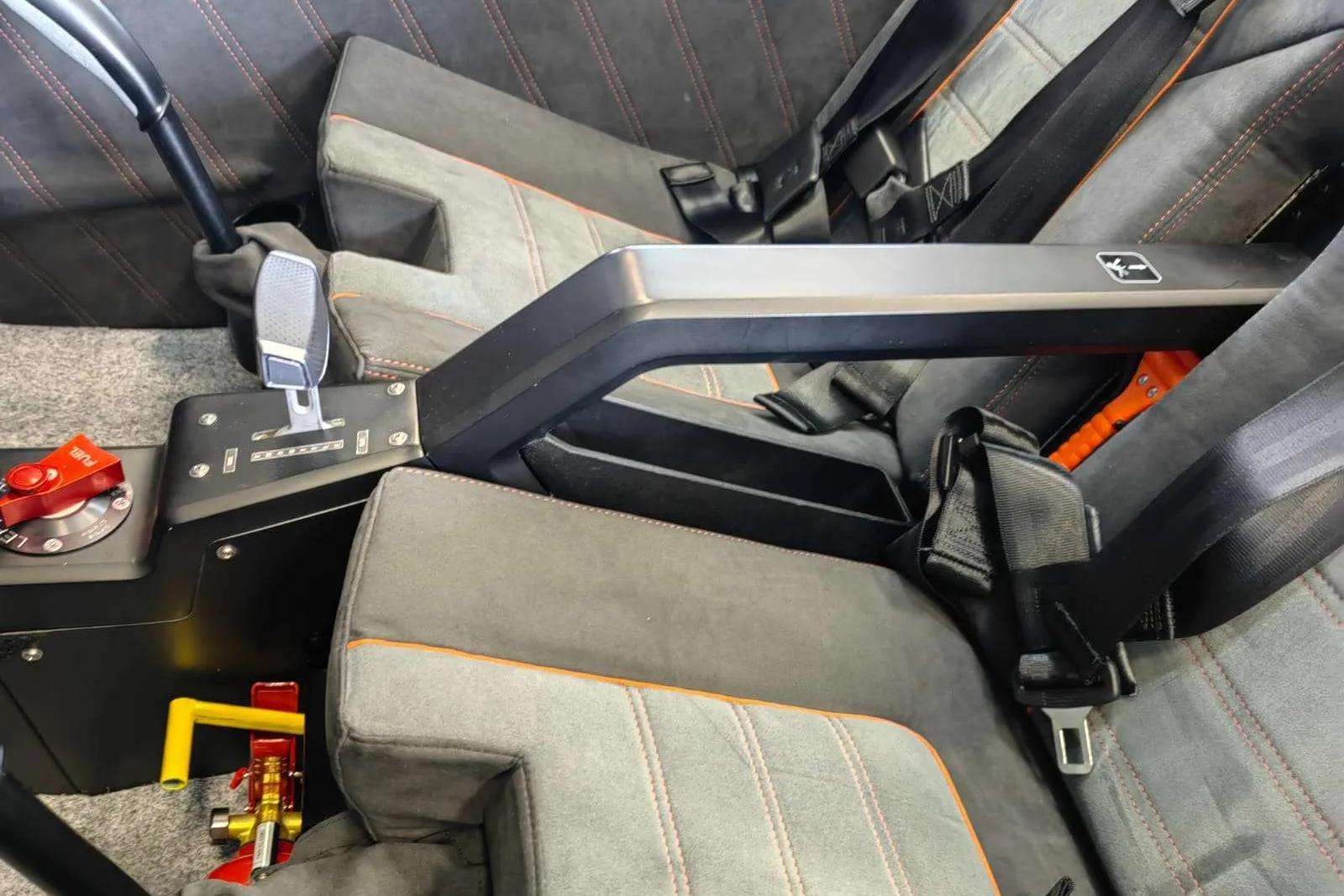
Students train in a modern glass cockpit with autopilot and panoramic visibility — eliminating cramped shoulder-to-shoulder cabins and outdated steam-gauge transitions.
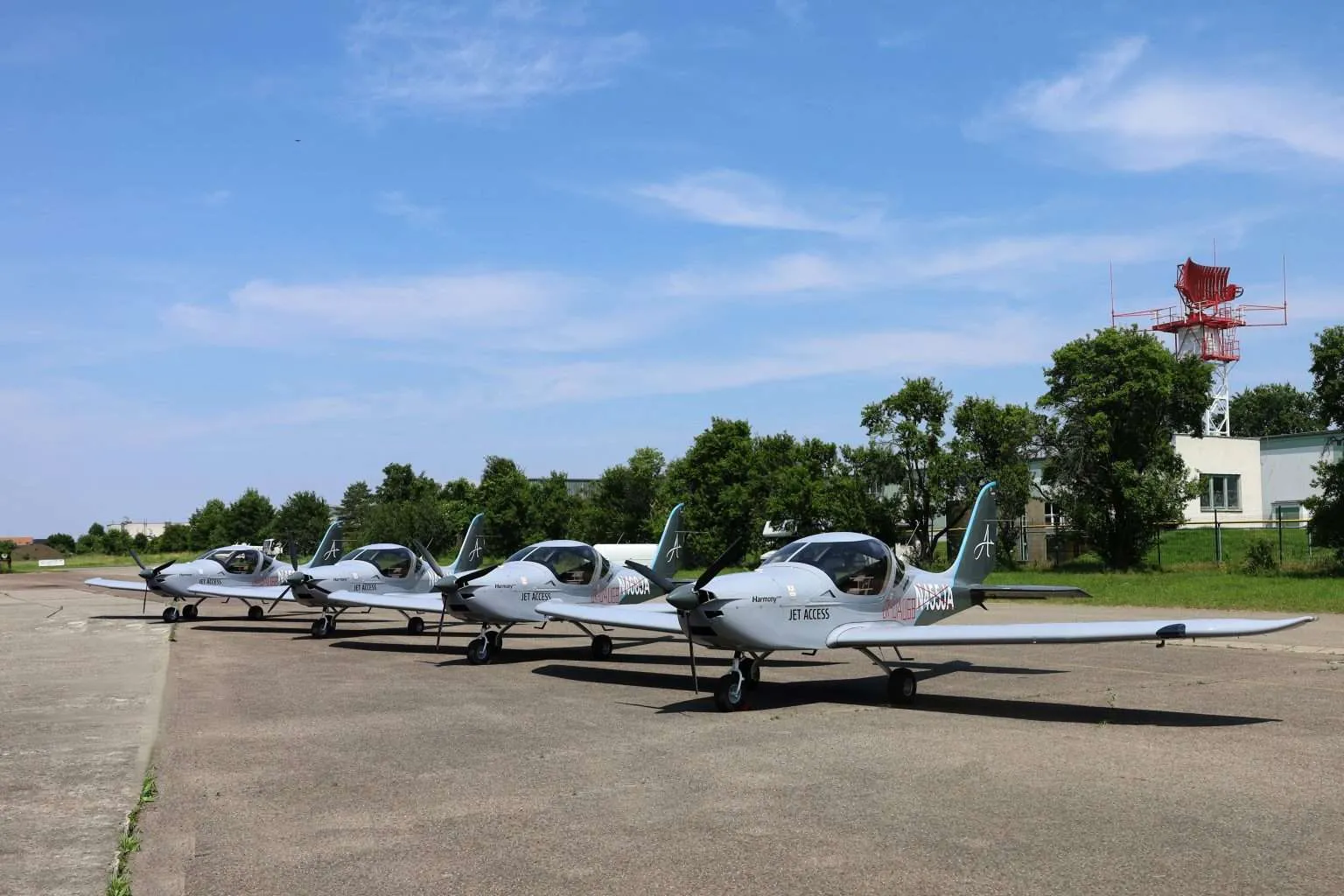
Standardized panels across your fleet accelerate student checkouts, simplify CFI standardization, and support 5+ hours of daily training utilization.
Trusted by US Part 141 & Part 61 Academies
Hear directly from chief instructors and flight school presidents who run Evektor Harmony fleets alongside — and in place of — legacy Cessna and Piper trainers.

“As a Gold Seal CFI, CFII, and MEI, and with over 3,500 hours of dual instruction given in the Evektor Harmony, I can confidently say these aircraft represent the pinnacle of both training and general aviation performance.”
“From a design and handling standpoint, the Harmony is exceptional. The cockpit is remarkably spacious—4 inches wider than a Piper Archer and 6 inches wider than a Cessna 172—providing both students and instructors with a more comfortable training environment. Its wing design and solid push/pull rod controls deliver precise, instant feedback, making it ideal for teaching true stick-and-rudder skills.”
“Operationally, the Evektor Harmony stands out as both economical and practical. Its acquisition cost is a fraction of traditional trainers like Cessnas and Pipers, yet it remains a full-metal construction aircraft equipped with modern Garmin avionics and an autopilot—qualifying it as a technically advanced aircraft. The operating costs are less than half of legacy models, thanks to the efficient and reliable Rotax 912 engine. Parts availability is never a concern; I keep Rotax engines on the shelf because they’re affordable, easy to source, and can be swapped in just two days—compared to the months-long, high-cost overhauls of legacy engines.”
“Over the past decade, I’ve managed flight schools (pt 141 collegiate, accelerated "zero-to-hero," and rental operations) operating Evektors alongside fleets of Cessnas, Cirrus's, and Pipers. All have their strengths, but Evektor—supported by the exceptional team at Alion Aviation—is setting a new standard.”

“Beyond the flying qualities, the Harmony’s reliability and low operating costs have been transformative for our business. We’ve dramatically reduced maintenance downtime and operating expenses, allowing us to offer competitive pricing while improving our margins. The fuel efficiency alone has been remarkable – we’re seeing 30-40% savings compared to our legacy trainers. The Evektor Harmony has been a huge catalyst for our success, period.”

“The Evektor Harmony has exceeded our expectations as a cost effective and versatile training platform. The aircraft has been adopted very well by Students, CFI’s, and the maintenance team and has become our go-to primary trainer. We have graduated Private Pilot, Instrument, Commercial students in the platform already and will have our first CFI completed soon.”
Harmony NG vs. C172 & Piper Archer Questions
Key technical, regulatory, and fleet economics answers for US flight school owners, chief flight instructors, and private buyers evaluating trainer replacements.
The Evektor Harmony NG typically operates at $45–55 per flight hour including fuel and routine maintenance, powered by the 100 hp Rotax 912 ULS or 912 iS burning roughly 4.5 gph on MOGAS or 100LL. Legacy Cessna 172 and Piper Archer trainers typically burn 8–10 gph of 100LL and carry $120+ per hour in direct operating and overhaul reserve costs — meaning the Harmony NG operates at less than half the hourly cost.
Specs, MOSAIC Rules & Fleet Consultation
Evektor Harmony NG Overview
Explore full specifications, NG upgrades, gallery, and flight school configuration options.
FAA MOSAIC Hub
See how MOSAIC expands the Harmony NG to 1,455 lb MTOW and 675 lb useful load for modern training fleets.
Contact Alion Aviation
Book a demo flight in CA, IL, FL, NV, or OH, or speak directly with our fleet team about delivery timelines.
Ready to Retire $120+/hr Legacy Trainers?
Request fleet pricing, download our case study, or configure your Harmony NG livery and Garmin Axis panel in 3D.